

Responsible tourism must come from a real desire to make a difference. Since the very beginning of our journey with Mukambi, our passion for conservation and local community welfare has been ingrained in our culture and ethos. With our drive for sustainability, from ourselves, our guests and the staff community, we aim to tread gently and consciously on the earth. Below you will find dome of the ways in which we try to make a difference and promote sustainable tourism.
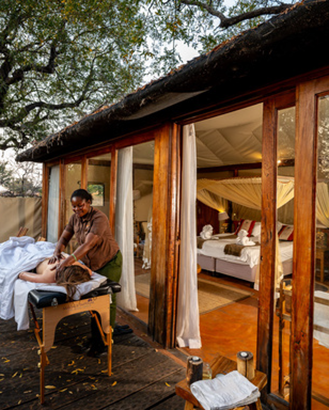
When Purity came forward with an interest in learning to become a masseuse we thought it was a fantastic idea and sent her for training at a reputable spa centre in Lusaka. Soon after, Elvis (a waiter at the time) had also expressed interest in learning the same trade, and so he was also sent to undergo masseuse training in Lusaka. Since then, Elvis had also done management training, where he dedicated his time between shifts to studying, and passed with great success! You can now meet him at the reception as a front of house manager.

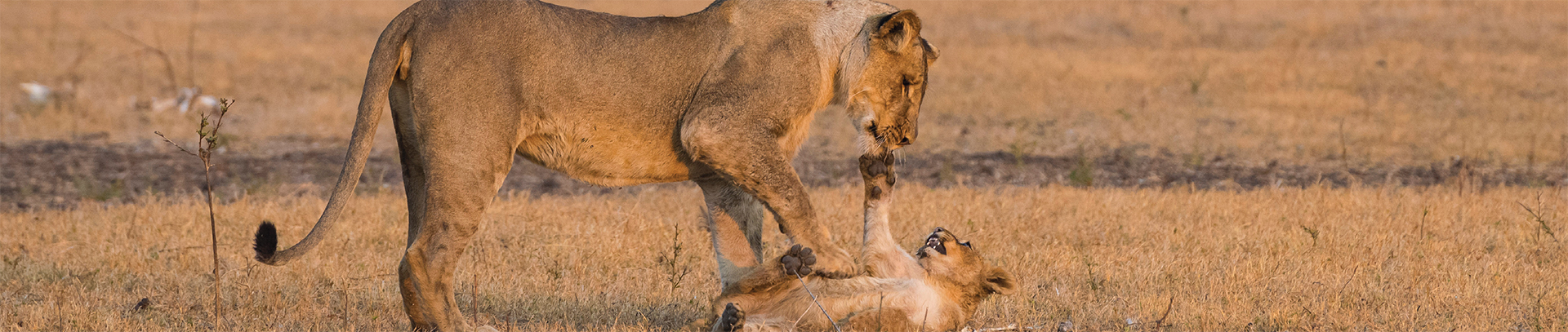
We believe that supporting conservation is a key factor of our approach on responsible tourism in the Kafue National Park. As Mukambi, we work closely with several NGOs, the Zambian Carnivore Programme (ZCP), the Department of National Park and Wildlife (DNPW) and African Parks (AP).
Heinrich Filter is a South African sculptor whose keen eye for nature is accurately reproduced in his detailed works. His love for the African bush has been an enduring hallmark of his life – from his early days spent walking Southern Africa’s game trails through to adulthood working as a professional safari guide.
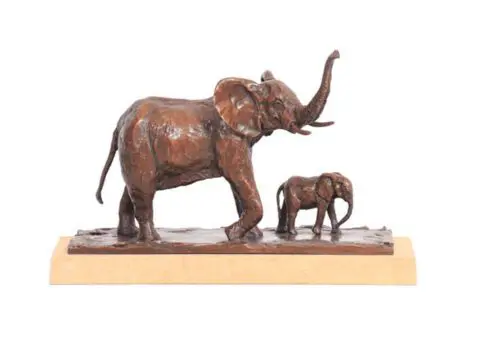
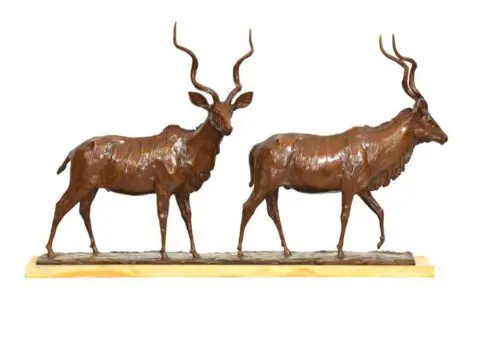
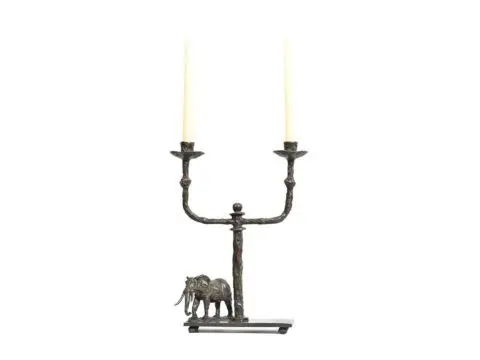
Enquiries: info@mukambi.com Ref: Mukambi Art.
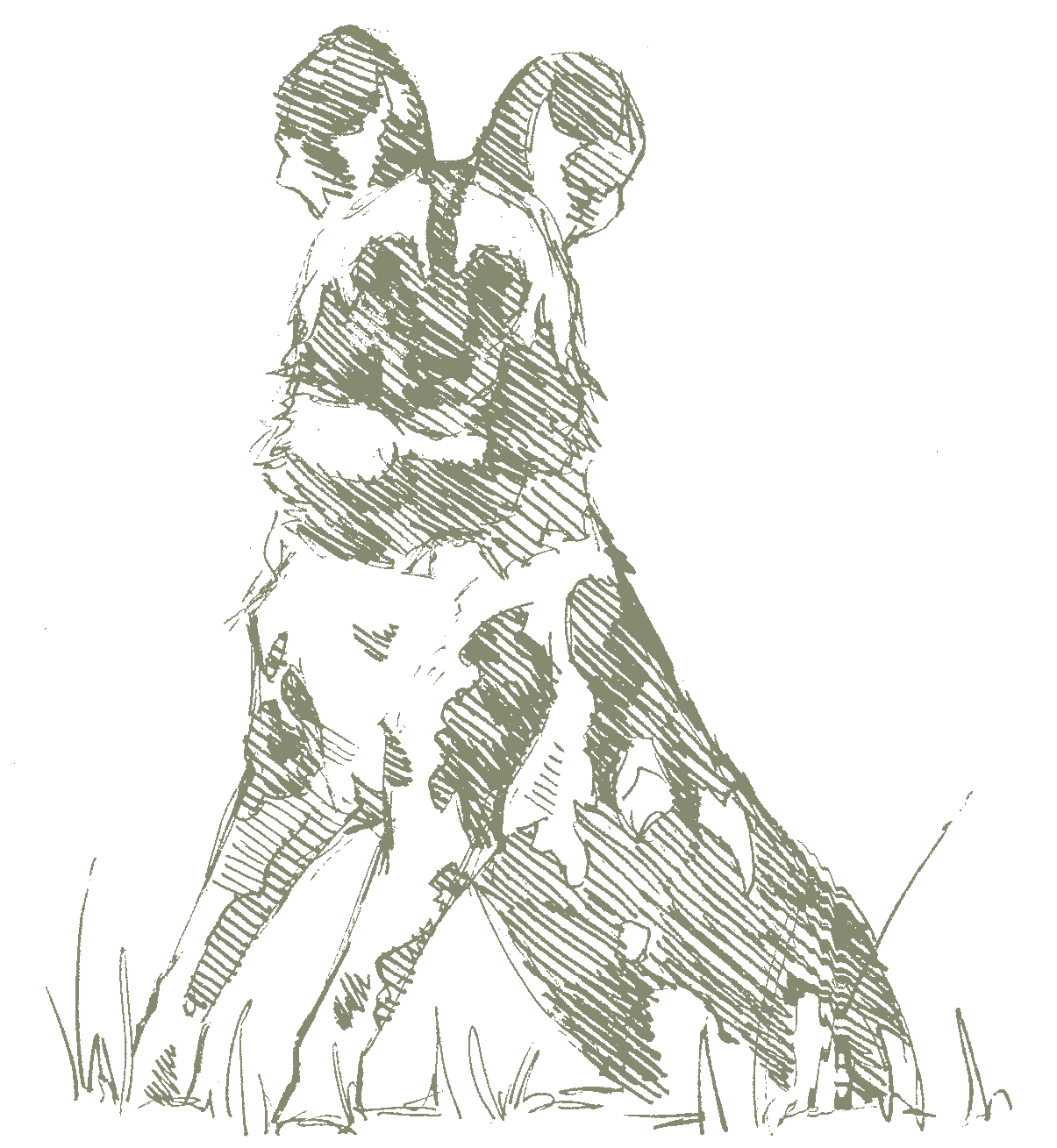
With fewer than 6,000 African wild dogs, or ‘Painted Wolves’, left in the world today; Painted wolf wines is dedicated to the production of authentic, distinct and delicious wines. With 4% of their annual turnover being donated to conservation of the endangered African wild dog, over R4,000,000 has been donated to the cause. With ‘Painted wolf’ being Mukambi Safari’s premium wine, be sure to have a taste and know it goes to a good cause.
You may have a look or download the wine list below, or read more about the company and their story.
The Mukambi vegetable garden has been a long-standing member of our community. However, it has faced many perils over the years. The constant barrage of baboons, monkeys, an elephant breaking down one wall, and a vehicle driving through another, we are just happy it is still there in essence. With these trials and tribulations we have been trying to fool-proof it from the furry locals, but are yet to be fully successful. Despite all of this, there is an initiative to get it up and running smoothly once more and to restore it to its former glory. So the kitchen may once again supply a delectable range of veggies home-grown on our own Mukambi soil.
Renewable by Nature.
There is no national grid in the heart of Kafue National Park. There never has been. From the beginning, if we were going to build camps here, our aim was clear: power them as responsibly as possible, using renewable energy wherever we could. Operating remotely meant we had to create our own systems, but it also gave us the opportunity to design them properly from the outset.
Today, all three of our camps operate on approximately 75 kWp of solar capacity, supported by large-scale LiFePO₄ (Lithium Iron Phosphate) battery storage. This technology forms the backbone of our energy system. We chose LiFePO₄ batteries carefully. They last significantly longer than older lead-acid systems, perform reliably in high temperatures, and offer a safer, more stable chemistry.
Their long lifespan means fewer replacements over time and a lighter environmental footprint. In a protected wilderness area, that matters.
The result is straightforward: full 24-hour electricity across our camps — powering guest suites, kitchens, refrigeration, workshops, water systems and the swimming pools at all three camps — entirely from solar energy. Our generator remains on site purely as backup and is used only in exceptional circumstances. We have also taken care to ensure that this infrastructure does not define the landscape.
Solar panels are positioned discreetly and hidden within the camps, out of sight from guest areas. They do not interrupt the skyline or compete with the wilderness that surrounds us. At night, there is no mechanical hum — only the sounds of the bush.
At Fig Tree Bush Camp and Busanga Plains Camp, solar systems provide all hot water, removing the need for firewood heating. This eliminates wood harvesting and reduces pressure on the ecosystem. At Mukambi Safari Lodge, we are now replacing gas geysers with solar water heating as well.
Our systems are upgraded regularly as technology evolves. Efficiency improves. Storage expands. Reliability strengthens. What began as the reality of being off-grid has become one of our strengths.
Being off-grid was unavoidable.
Running entirely on renewable energy is a conscious choice.
